
Comic Book Price Guides vs What Comics Actually Sell For
Price guides are genuinely useful — for identifying books, learning what matters and understanding the landscape. What they are not is a price. Here is the distinction that saves people a lot of disappointment.

Only sold sales are real
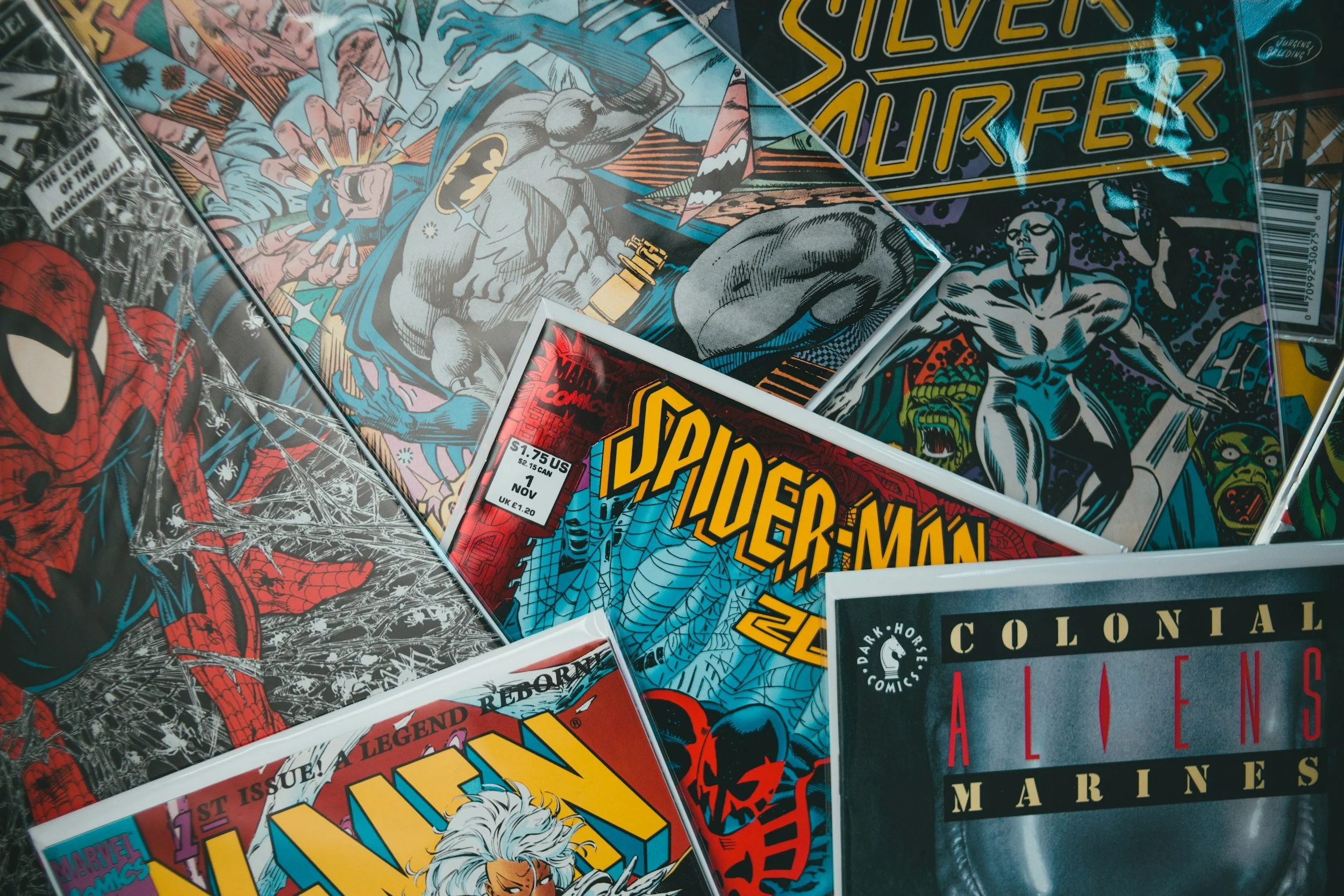
Nothing is worth what it is listed at until somebody pays it. When you check value, filter for completed and sold results, then look at the ones matching your book's exact issue, printing and condition. A stack of $500 listings with no sales tells you the book does not sell at $500.
Why a store's offer sits below the sold price
This is the part people most want explained, so here it is plainly. When a shop buys your comics, it takes on the condition risk, the market risk, the cost of storing and displaying the books, and the wait — sometimes years — until the right collector walks in. The offer reflects that. A fair offer is a percentage of what the book genuinely sells for, and any shop worth dealing with will show you both numbers and explain the gap.
How Comic King does it
We comp against actual sold prices, on screen, in front of you. You see the same results we do and you hear the reasoning. Every offer is free and no-obligation — if you would rather keep the books once you know what they are worth, that is a perfectly good outcome.
One boundary worth stating
We are buyers, not certified appraisers. If you need formal paperwork for insurance or an estate file, that is a different service. But if the real question is what would these actually sell for, live sold comps answer it better than any guide.
FAQ
Are comic book price guides accurate?
They are useful for identification and context, but they are not prices. A guide reflects what a book might achieve in ideal conditions; the market is set by what buyers actually pay. Always check completed, sold results for your exact issue and condition.
Why is a shop's offer lower than eBay prices?
Two reasons. First, most eBay prices you see are asking prices, not sales. Second, a shop carries the condition risk, the market risk and the wait until a buyer appears, and its offer reflects that. A good shop will show you the sold comps and explain the difference.
What is the best way to check what my comic is worth?
Search the exact issue, note the printing and grade, and filter to completed/sold listings only. Compare like for like. If you want it done for you, bring the books in — we will run the comps with you at the counter for free.